
Dr. Ralf Kurvers
Dr. Ralf Kurvers is a behavioural biologist whose research focuses on individual and collective decision-making in both humans and non-human animals. He obtained his MSc and PhD at Wageningen University (2003–2011) and held postdoctoral positions, including a Rubicon fellowship at the Leibniz-Institute of Freshwater Ecology and Inland Fisheries in Berlin. Since 2015, he has been a researcher at the Max Planck Institute for Human Development and, since 2019, a senior research scientist and principal investigator at the Science of Intelligence Cluster (TU Berlin). His work explores how individuals process and share information, how social interactions shape group decisions, and how collective intelligence emerges across species.

Dr. Sabine Nöbel
Dr. Sabine Nöbel is a postdoctoral researcher at Martin-Luther-University Halle-Wittenberg and trained as a behavioural ecologist. She obtained her PhD at the University of Siegen and held postdoctoral positions at the University Toulouse III Paul Sabatier and the Toulouse Institute for Advanced Study in Toulouse (IAST). Her research focuses on non-genetic inheritance of mating preferences using mate-choice copying as an example of social learning. Using Drosophila as model species, she shows how new, socially learnt mating preferences can invade a population and persist across generations owing to cultural transmission of socially learnt mate preferences. The ultimate goal is to uncover the cognitive mechanisms involved in this plastic but socially stabilised form of social learning and to investigate the evolutionary roots and consequences of animal culture.
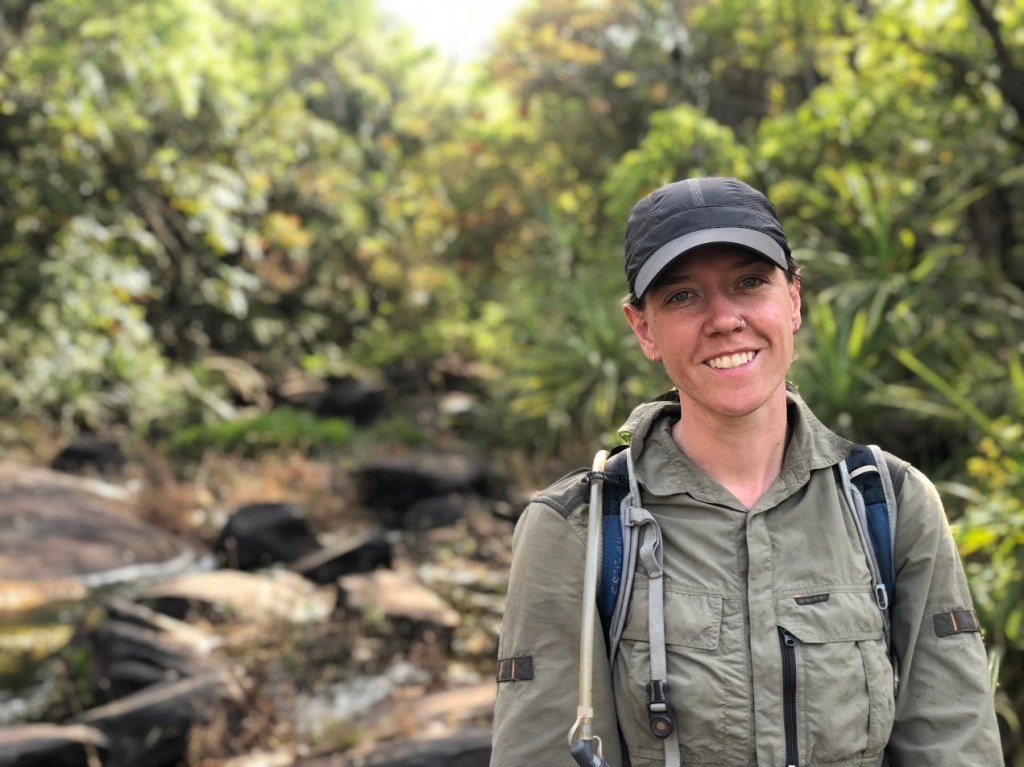
Dr. Erin Wessling
Dr. Erin Wessling is a behavioural ecologist and conservation biologist whose work sits at the intersection of research and on-the-ground impact for great apes. She is dedicated to advancing our understanding of Pan behavioural ecology by prioritizing ecological perspectives and comparative approaches, all the while translating scientific discovery into impactful, evidence-based conservation policy and practice. She spearheads two cornerstone field research platforms—the BonDiv Project, focusing on bonobo behavioral ecology and conservation across the Congo Basin, and the Moyen-Bafing Chimpanzee Project in Guinea, studying chimpanzees living in an arid savanna-mosaic landscape. She also leads the Western Chimpanzee Conservation Regional Alliance, chairing the Working Group on Chimpanzee Cultures, and co-chairing the IUCN’s new joint-commission taskforce dedicated to the conservation of animal cultures.
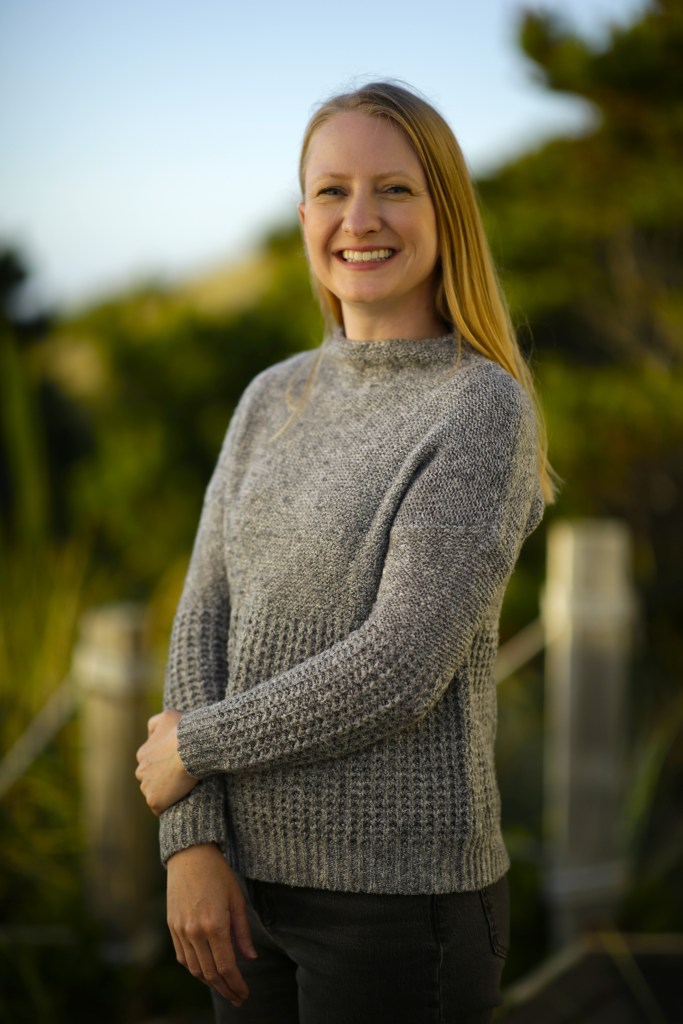
Dr. Taylor Hersh
Dr. Taylor Hersh is a behavioural biologist and bioacoustician who is broadly interested in the interplay among vocal complexity, social complexity, and culture in animals. She is currently a postdoctoral research fellow in the Cetacean Communication and Cognition Group at the University of Bristol and an affiliate faculty member at Oregon State University. Much of her research focuses on measuring how animal communication varies over space and time, with particular focus on cetacean social communication and the cultural processes that shape group-specific vocal traditions. She obtained her PhD at Dalhousie University (Canada) and has held postdoctoral positions at the Max Planck Institute for Psycholinguistics (Netherlands) and Oregon State University (USA).
 Culture Conference 2026