Dr. Limor Raviv
Dr. Raviv is a Minerva Research Group Leader at the Max Plank Institute for Psycholinguistics. Her work focuses on answering important questions in the field of linguistics, such as: How did languages evolve? How do our brains, communities, and environment shape the languages we speak, and vice versa? By developing and combining novel experimental and computational tools, Limor takes a data-driven approach for studying the cultural evolution of language as a cumulative and collective behavior, and trying to uncover the cognitive, social, and ecological pressures that shape the evolution and ongoing change of human language

Dr. Charley Wu

Dr. Wu is the PI of the Human and Machine Cognition lab at the University of Tübingen. Charley´s research explores the role that compositional reasoning plays in allowing us to innovate in an additive and cumulative cultural fashion. Compositionality and cumulative culture are two key aspects of human intelligence that have been separately referred to as being the “singular” factor that differentiates us from other animals and AI, but are typically studied in distinct fields with non-overlapping methods. Here, Charley seeks to unify these domains under a common framework of reuse, recombination, and creative re-engineering of past solutions. His work provides new perspectives on how we encode and transmit information—internally within our brains, interpersonally between individuals, and multi-generationally across societal timescales.
Dr. Sheina Lew-Levy
Dr Lew-Levy is an assistant professor of Psychology at Durham University. Sheina holds a PhD in Psychology from the University of Cambridge (2019). Drawing from anthropological and psychological theory, she conducts research in hunter-gatherer societies to understand the cultural diversity in, and evolution of, social learning in childhood. Specifically, she has used quantitative and qualitative methods to study how and from whom BaYaka and Hadza children from Congo and Tanzania, respectively, learn through meaningful participation in everyday activities. As the co-founder and co-director of Forager Child Studies, she also conducts cross-cultural reviews and secondary data analysis on the pasts, presents, and futures of hunter-gatherer children’s learning.
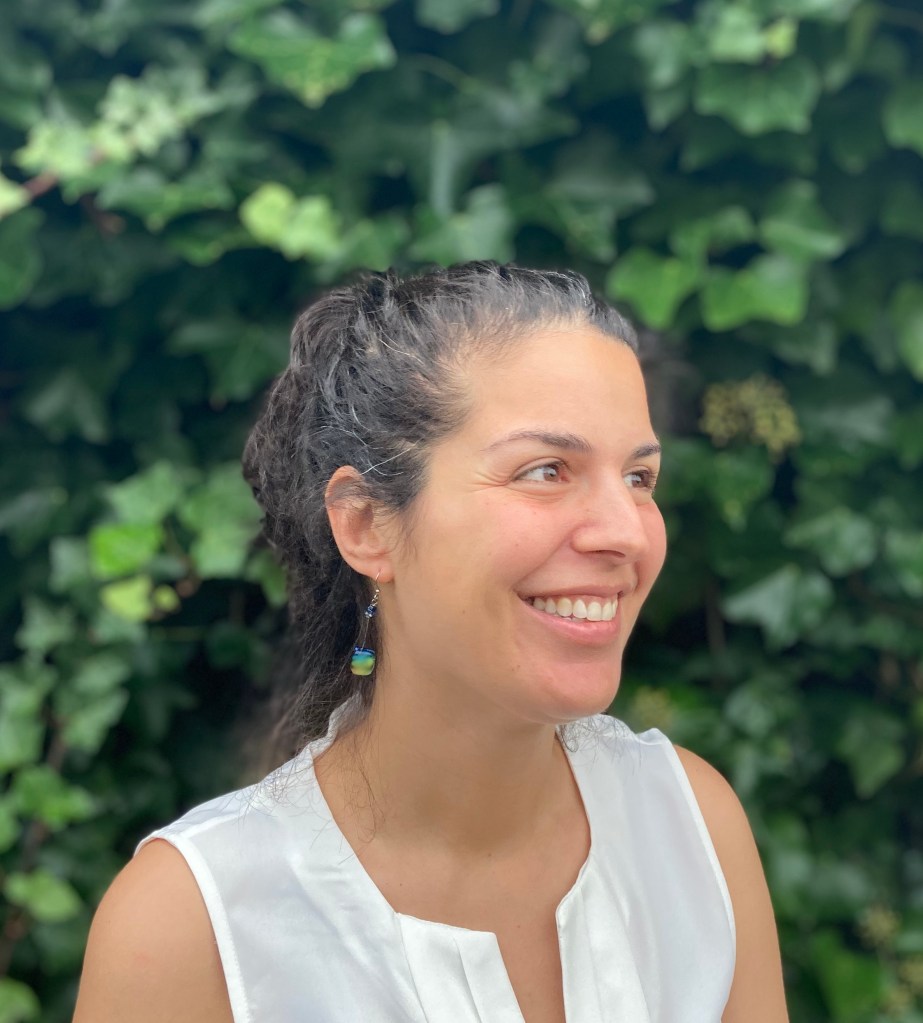
Dr. Ellen Garland
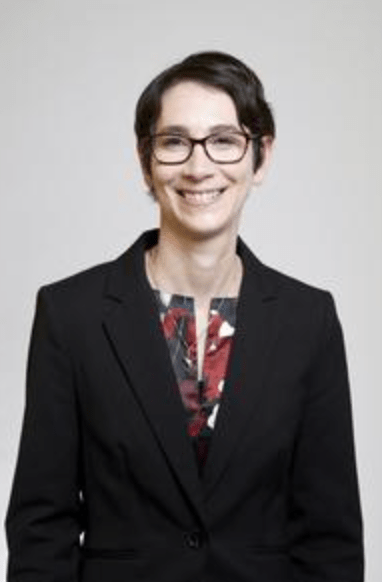
Dr. Garland is a senior research fellow at The University of St. Andrews in the School of Biology. Ellen´s research focuses on cetaceans, and in particular the cultural transmission, vocal learning, and function of humpback whale song. Ellen is also interested in vocal sequence analysis techniques, and using similarity in vocal displays to define population structures for conservation management.
 Culture Conference 2026